
Quick Answer
- Start with price: it is the most common reason a listing stalls.
- Audit the online listing: photos, description, and MLS accuracy.
- Compare against current same-community comparable sales, not memory.
- Remove friction: showing access, feedback, and buyer-agent questions.
- Answer the new-construction question before buyers ask it.
- Run the diagnostic within 30 days, not after months of silence.
Theresa De La Rosa's Broker Perspective
I'm Theresa De La Rosa, Broker of Covenant Heritage Realty in Northlake, and I represent resale sellers across Pecan Square, Harvest, Canyon Falls, The Ridge at Northlake, and surrounding Denton County communities. When a seller tells me the phone has been quiet, my first move is always the same: pull the showing and view data, read the listing as a buyer would, and compare the price against what actually sold in the same neighborhood recently. In almost every case the answer is visible in those three pieces of evidence. My advice is to treat a quiet listing as a data problem to solve with your agent in the first 30 days, not a personal judgment on the home.
The Numbers First: What North Texas Listings Are Doing in 2026
Before diagnosing any single listing, it helps to know the market it is competing in, because inventory sets the bar. The North Texas Multiple Listing Service (through MetroTex) reported 31,072 active listings and roughly 4.3 months of inventory in its September 2026 seller market report, and earlier in the year reported median days on market of 71 days in March 2026, up about 11% year over year, with homes selling for an average of about 94.7% of list price. See the MetroTex March 2026 report and the MetroTex late-2026 sales and inventory report for the underlying figures.
Denton County, where Argyle, Northlake, Justin, and Flower Mound sit, has been moving faster than the metro as a whole on some measures. Redfin's 2026 Denton County market data showed a median of about 45 days on market in the three months ending May 2026 and a median sale price of roughly $454,000. The exact figures change month to month and vary by community and price band, so treat them as context, not as a promise about any one home. See Redfin's Denton County housing market page for the current snapshot.
What these numbers add up to is simple: buyers in 2026 have choices. More active inventory means a listing that is priced or presented like the rest of the pack does not automatically get toured. A home that would have sold quickly in a two-week market now has to earn showings against four months of competing supply, and that shift is exactly why a quiet listing deserves a real diagnosis rather than a gut feeling.
The Most Common Root Cause: Price
If a listing is getting almost no traffic, the first question is price, and it is not a close call. In a HomeLight survey of 715 top real estate agents, 77% identified overpricing as the most common error that leads homes to sit unsold, and 47% named an asking price set too high as the top reason a home gets showings but no offers, with condition second at 19%. See HomeLight's review of why homes do not sell and the HomeLight analysis of showings without offers for the survey detail.
Pricing also works invisibly. Most buyers search within a price range, and a list price that sits just above a natural search boundary can remove a home from the results entirely, no matter how good it is. Pricing is a positioning decision as much as a valuation decision: the goal is to place the home where the right buyers will actually see it, then let the market evidence, not hope, set the number.
The fix is not a feeling about value; it is a current comparative market analysis built from verified, closed sales of comparable homes in the same community or competitive market area, including how close those homes sold to their list price. A broker or licensed agent with access to the full MLS data (NTREIS) can build that analysis; online automated estimates are a starting point, not evidence, because they do not see condition, upgrades, lot specifics, or the newest contracts.
The First-Look Problem: Photos, Details, and the Online Listing
The second major cause is the listing itself. In NAR's Profile of Home Buyers and Sellers, 100% of recent buyers used the internet at some point in their home search, 52% found the home they purchased through an internet search, and a large share began their search online. Read the NAR 2024 Profile highlights (PDF) and the Axios summary of the online-search data for the source figures.
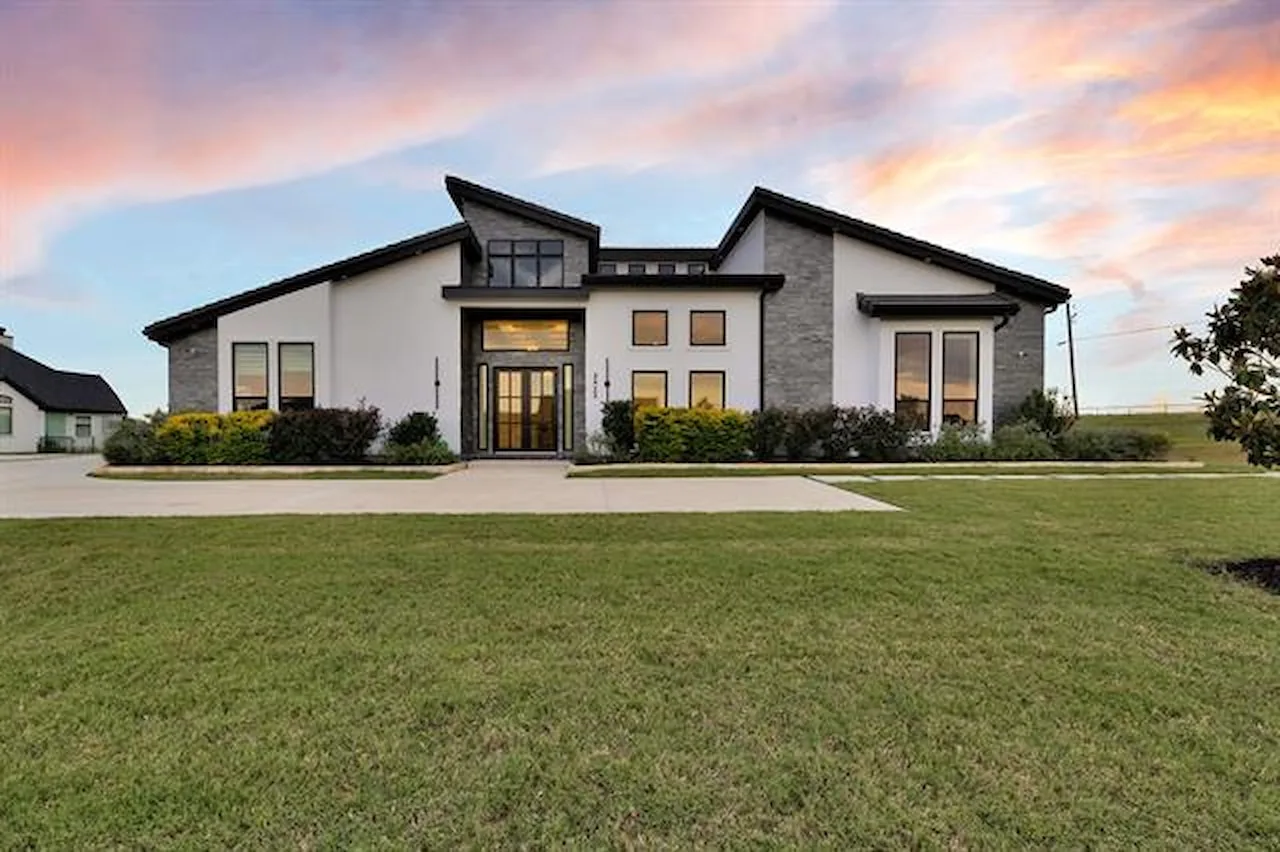
Real photo: clean, well-lit exterior photography like this is what earns a click, a save, and a showing request in a crowded search result. This is not a current listing.
Because almost every buyer starts online, the listing photo, headline, and description are the front door. Weak photography, dark rooms, cluttered shots, or a listing that reads like a data sheet can stop the process before a buyer ever books a showing. Professional exterior and interior photography, a video tour where the property supports one, and a description that answers what is special about the home (lot, view, community, upgrades, floor plan) all lift the first-look experience.
Accuracy in the details is just as important. A wrong bedroom count, square footage, or lot feature can drop a home out of the search filter buyers are using, so the listing data should be verified against the property, the appraisal-style measurements, and the tax record before launch and re-checked if views are unexpectedly low. A detail as small as an incorrect HOA or school listing can cost a showing.
Condition: The Second Reason Buyers Walk Away
When buyers do tour a home and then decline, condition is the reason most often cited after price. In the HomeLight survey, 19% of agents said condition and deferred maintenance were the main reason a toured home drew no offers. Dated interiors, obvious repairs, odors, and mess all read as deferred cost, and buyers in 2026 are especially cost-sensitive because they are already outbid or negotiating on price elsewhere. See HomeLight's showings-without-offers analysis.
A pre-listing inspection, obtained before the home goes live, does two things at once: it tells you what a buyer's inspector will find, and it gives you a document that turns objections into known, handled items. Sellers can choose to repair, price for, or disclose, but knowing the list of issues before the first showing is better than discovering it in a buyer's report after weeks on market. Texas sellers should also be ready to complete the current Texas Seller's Disclosure Notice required by the Texas Real Estate Commission honestly and completely, because disclosure gaps can stall a contract after it starts.
Showings Aren't Happening: Access and Buyer-Agent Friction
Sometimes the problem is not the home at all; it is how easy the home is to see. Lengthy advance-notice windows, restrictive showing hours, a tenant or occupant who requires repeated scheduling, and unclear access instructions all shrink the number of tours a listing gets. The easier a home is to show, the more showings it receives, which is why the top-performing listings in showing platforms tend to be the ones with generous, flexible access. See ShowingTime's reasons a home is not getting showings.
Buyer-agent economics matter too. In the current market, how and whether a listing offers cooperating buyer-agent compensation can influence how eagerly buyer's agents tour it, and unclear or uncompetitive compensation has become a documented reason homes get fewer showings. Sellers should have their listing agent explain the compensation approach on the listing in plain terms so it never becomes a silent reason for a tour to be skipped. See HomeLight's common-reasons list for agent compensation among the causes.
Feedback is the missing link. If the listing is getting tours but no feedback, the seller and their agent should be collecting it: what did buyers like, what stopped them, and was it price, condition, layout, or something fixable? Asking for feedback on every showing appointment, and following up with the touring agent, turns silent decline into an action list.
North Texas Competition: New Construction and Builder Incentives
In Argyle, Northlake, Justin, and much of Denton County, resale listings do not only compete with other resale homes; they compete with brand-new construction and the incentives builders are offering in 2026. A buyer comparing a resale home to a new build down the street is weighing age, warranties, finish packages, and incentive value, and resale sellers need a deliberate answer to that comparison. My guide to how resale sellers should respond to builder incentives covers the pricing and positioning side, and the new construction versus resale comparison shows how buyers frame the choice.
The resale advantage is real when it is marketed: an established lot with mature trees, an already-finished yard, a floor plan with a functional layout, no construction timeline, and often more square footage per dollar than a new build in the same price band. But an advantage is only an advantage if the listing says it. The description, photos, and showing script should answer the new-construction question before the buyer's agent is asked to verbalize it.
The 30-Day Diagnostic Review: A Checklist
Treat the first 30 days on market as a testing period, then review the evidence with your agent. A practical checklist looks like this:
- Read the numbers. Views, saves, clicks, and showing requests per week for your listing versus the competitive set in your MLS stats.
- Read the feedback. Collect and review comments from every touring agent; look for a repeated theme, especially price or condition.
- Verify the listing data. Confirm beds, baths, square footage, lot, HOA, and school fields are accurate in the MLS and on the portals.
- Re-check the photos. Thirty days of season change can date a photo set; lead with the strongest exterior and interior shots and cut weak ones.
- Compare the price to closed sales. Re-run the CMA with the newest contracts in your community, including sale-to-list ratios.
- Check the search brackets. Confirm the list price sits inside the range your target buyers actually search in.
- Review access. Maximize showing windows and make the appointment process effortless.
- Revisit the new-construction answer. Make sure the listing states why a buyer should choose this home over a new build.
- Prepare the seller packet. Have current HOA documents, tax and special-district details, and the Texas Seller's Disclosure Notice ready. My HOA, PID, and MUD guide for sellers covers the Denton County specifics.
If the review finds a fixable issue, fix it. If it finds a price problem, adjust it. A listing that is periodically refreshed and re-positioned with evidence behind each change has a much better path than one left unchanged and waiting.
When and How to Adjust the Price
There is no universal rule about when to lower a price, and there is no fixed discount that automatically works. The evidence says North Texas buyers negotiate: homes sold for an average of about 94.7% of list price in March 2026, per MetroTex, which tells you the market routinely expects to close below asking, not that any specific listing should be priced at any specific discount. The right adjustment comes from the CMA, the feedback, and the search-bracket analysis, not from a rule of thumb.
When a price change is warranted, make it once and make it count. A meaningful adjustment to a position supported by comparable sales normally resets buyer attention and re-enters the home into new search results; a series of small, reactive cuts can read to buyers as a home in decline. Some sellers compare taking the listing down and re-listing it fresh to reset days on market, and that can work, but only if the underlying price, photos, and presentation issues are actually fixed first. Relisting without fixing the cause just starts the clock over on the same problem.
Frequently Asked Questions
Why is my house not getting any showings in North Texas?
The most common cause is price. In a HomeLight survey of 715 top agents, 77% said overpricing is the most common error that leaves homes sitting unsold. After price, the usual causes are a weak first online look (photos, description, or inaccurate MLS data), condition, and friction in how the home can be viewed. Diagnose in that order: price, then presentation, then access, using current closed sales in your community as the evidence.
How long should a house sit on the market before lowering the price?
There is no universal rule, and community medians vary. As context, the North Texas market reported about 71 median days on market in March 2026, while Denton County ran closer to 45 days on Redfin's three-month measure ending May 2026. The review should be tied to your own showing and view data: if the listing is getting traffic but no offers, price or condition is usually the issue; if it is getting no traffic at all, pricing and search placement are the first suspects.
Is it the price or is it my photos?
Start with price, then photos. Overpricing is the most common reason listings stall, but weak photography can quietly suppress showings even at a fair price because nearly all buyers begin online. Fix the photos before or alongside an adjustment, because a price cut is most effective on a listing that presents well.
Why am I getting showings but no offers?
In HomeLight's survey of 715 agents, 47% said an asking price set too high is the top reason a home gets showings but no offers, and 19% cited condition. Collect feedback from every touring agent and look for the repeated theme. Usually it is one of two things: the price versus what comparable homes closed for, or an objection a buyer cannot see past, such as condition, layout, or a special district or HOA cost.
Does new construction hurt resale showings in Argyle and Northlake?
It can, when builders are selling new homes with incentives in the same price band, because buyers compare resale against new construction and the builders' marketing is aggressive. The remedy is a deliberate resale answer: an established lot, a finished yard, no construction timeline, and often more space per dollar, stated plainly in the listing and the showing script.
How do I know what my home is really worth in this market?
Use a current comparative market analysis built from verified, closed sales of comparable homes in your community, including how close those homes sold to list price. Online automated estimates are a starting point only; they do not see condition, upgrades, lot specifics, or the newest contracts. A broker or licensed agent with full MLS (NTREIS) access can build the analysis for you.
Should I take my home off the market and relist it?
Relisting can reset how the market sees a listing, but only if the cause is fixed first. If you relist the same home at the same price with the same photos, you have just restarted the clock on the same problem. Use the 30-day diagnostic review to fix the issues, then decide whether a fresh listing position makes sense for your situation.
How much should I lower the price to get showings?
There is no fixed discount that works for every home. North Texas homes sold for an average of about 94.7% of list price in March 2026, which shows buyers routinely negotiate below asking, but that is a market average, not a pricing formula. The adjustment should follow a current CMA, the search brackets your buyers use, and the showing feedback, and it should be made once and made meaningfully.
Conclusion
A quiet listing is not a mystery and it is not a verdict on the home; it is a set of signals to read. The market has changed: 2026 buyers have more inventory to compare, they decide first online, and they negotiate, which means price, presentation, condition, access, and the new-construction comparison all carry weight. Run the diagnostic in the first 30 days, adjust on evidence rather than impulse, and treat every showing as feedback. That disciplined approach is what separates listings that grind for months from listings that get re-positioned and sold.
Thank you for reading. If your North Texas listing is quiet and you want a straight read on what the market is telling you, explore the North Texas Real Estate Answer Center, review the Selling Guide, or reach out through the contact page to talk through your specific property.
Theresa De La Rosa, Broker, REALTOR®
Covenant Heritage Realty, LLC | In DFW Living Group
Texas Real Estate Broker, License #807294, with 18+ years of real estate experience and a strong focus on strategic, data-driven home selling. Theresa serves sellers, buyers, and relocating households throughout Argyle, Northlake, Justin, Denton, Flower Mound, Hickory Creek, and the surrounding Denton County communities. Equal Housing Opportunity.
Sources
- MetroTex Association of REALTORS®, North Texas Home Sales Rise in March as Inventory Expands and Prices Moderate: mymetrotex.com. Accessed September 29, 2026.
- MetroTex Association of REALTORS®, North Texas Housing Market Continues to Demonstrate Strength as Sales and Inventory Rise: mymetrotex.com. Accessed September 29, 2026.
- Redfin, 2026 Denton County, TX Housing Market: redfin.com. Accessed September 29, 2026.
- HomeLight, Why Isn't Your Home Selling? 12 Common Reasons: homelight.com. Accessed September 29, 2026.
- HomeLight, With Lots of Showings But No Offers (Top Agent Insights survey of 715 agents): homelight.com. Accessed September 29, 2026.
- ShowingTime, 6 Reasons Your House Isn't Getting Showings and How to Fix It: showingtime.com. Accessed September 29, 2026.
- National Association of REALTORS®, 2024 Profile of Home Buyers and Sellers, Highlights (PDF): nar.realtor (PDF). Accessed September 29, 2026.
- Axios, 100% of buyers now shop for homes online, new report says: axios.com. Accessed September 29, 2026.
- Texas Real Estate Commission, current Seller's Disclosure Notice: trec.texas.gov. Accessed September 29, 2026.
Disclaimer. This article is for general educational purposes and is not appraisal, investment, legal, tax, or financial advice, and it is not a promise of showings, offers, sale price, timeline, or any outcome for any specific property. Market figures (days on market, inventory, sale-to-list ratios, median prices, and survey percentages) come from the cited third-party reports, change over time, and vary by community, price band, property condition, and date; buyers and sellers must verify current figures and any listing information through the MLS (NTREIS) and the listing source before relying on them. Survey figures reflect the opinions of the agents surveyed and are not a guarantee for any listing. No school-quality or neighborhood-safety claims are made in this article. Theresa De La Rosa, Broker, License #807294 (TX), Covenant Heritage Realty, LLC. Equal Housing Opportunity.

Theresa De La Rosa is the Broker of Covenant Heritage Realty, LLC and the Leader of In DFW Living Group. A Texas Real Estate Broker and REALTOR® (License #807294) with 18+ years of real estate experience, she is known for a strategic, data-driven approach to selling. She helps sellers position their homes competitively to protect equity and attract strong offers throughout Argyle, Northlake, Justin, and surrounding Denton County communities.
In This Guide
- What North Texas Listings Are Doing in 2026
- The Most Common Root Cause: Price
- Photos, Details, and the Online Listing
- Condition and Buyer Walk-Aways
- Access and Buyer-Agent Friction
- New Construction and Builder Incentives
- The 30-Day Diagnostic Review
- When and How to Adjust Price
- Frequently Asked Questions
- Sources